Menu
Your cart is empty
Looks like you haven't added anything to your cart yet



CBD vs CBN for Sleep: Which One Works Best and Why

Is CBD or CBN Better for Sleep?
If your sleep is getting wrecked by stress, racing thoughts, or that “wired but tired” feeling, you’re not alone. More than 50 million Americans have chronic sleep disorders, and a lot more report poor sleep quality.
CBD and CBN can both support sleep, but they tend to shine in different lanes:
- CBD is usually better when sleep problems are driven by stress, anxiety, and mental chatter.
- CBN leans more toward sleep continuity and staying asleep, with early human research showing fewer nighttime awakenings at specific doses.
Quick comparison (the “which one do I pick?” cheat sheet)
| Mind racing, stress, Sunday-night dread | CBD |
Calming support that may help quiet the mental noise.
|
| Falling asleep is fine, but you keep waking up | CBN |
Early evidence suggests improved sleep disturbance and fewer awakenings.
|
| Both mind chatter + restless body | CBD + CBN |
Many people use them together for a broader “mind + body” approach, though results vary.
|
What CBD and CBN are (without the fluff)
CBD (cannabidiol)
CBD is a cannabinoid from hemp/cannabis that does not cause an intoxicating high. It’s commonly used for stress, discomfort, and relaxation, which can indirectly support sleep.
CBN (cannabinol)
CBN is a minor cannabinoid that forms as THC ages and oxidizes. It’s often marketed as “sleepy,” and early human data suggest it may reduce sleep disturbance and nighttime awakenings at specific doses.
How CBD may help sleep
CBD’s sleep benefits usually come from addressing the reasons you’re awake:
- Stress and anxiety support (calmer headspace)
- Discomfort support (easier to settle)
- Potential influence on sleep quality varies a lot person-to-person.
Important nuance: the broader research base still says we need more high-quality studies to pin down CBD’s exact effect on sleep outcomes.
How CBN may help sleep
CBN is usually chosen for a more “sleep-forward” feel:
- May help with sleep continuity (fewer awakenings) based on a randomized, placebo-controlled human study using 20 mg nightly.
- Often described as more physically relaxing than CBD alone (anecdotal, but common).
Is CBD + CBN better together?
Many brands talk about synergy (often called the “entourage effect”).
Real-world takeaway: some people love the combo, especially when they want both mental calm (CBD) and sleep-depth support (CBN). But at least one human study found CBN improved sleep disturbance, and adding CBD did not further boost those specific effects in that setup.
Real-world takeaway: some people love the combo, especially when they want both mental calm (CBD) and sleep-depth support (CBN). But at least one human study found CBN improved sleep disturbance, and adding CBD did not further boost those specific effects in that setup.
So: combo can be great, don’t assume “more cannabinoids = automatically better” for everyone.
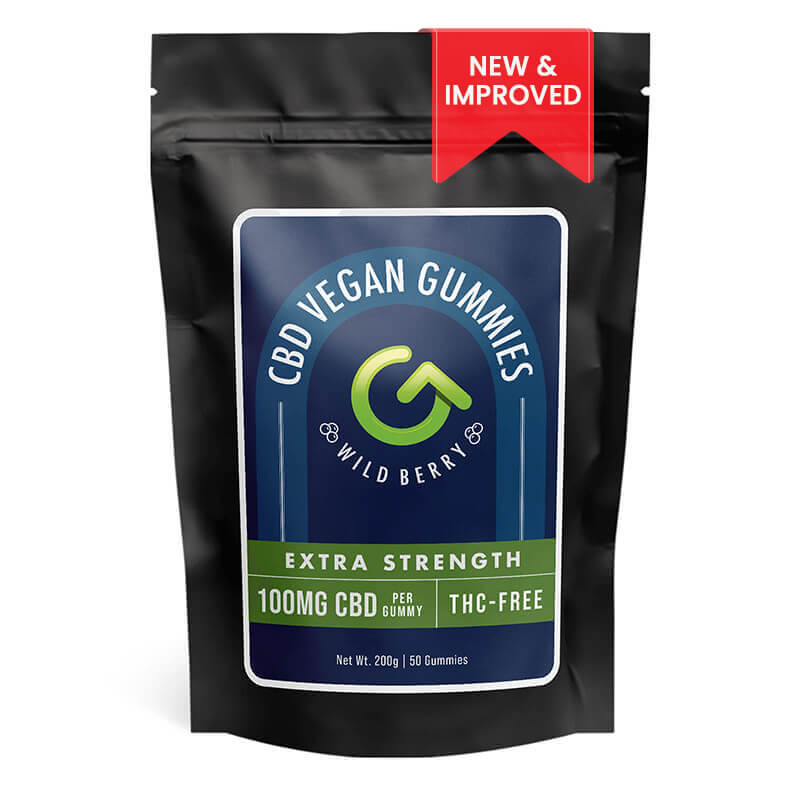
Extra Strength CBD Gummy Options (THC Free)
Timing and “how to use” (practical and straightforward)
- Take your cannabinoid product 60–120 minutes before bed (edibles often take longer than tinctures).
- Start low and keep it consistent for several nights before judging.
- Keep your routine steady: same bedtime, dim lights, cooler room, no doom-scrolling.
Other sleep-support ingredients that pair well
A lot of sleep formulas stack cannabinoids with evidence-backed supports:
Magnesium
Magnesium is involved in nervous system regulation and is associated with better sleep metrics in multiple lines of research. PMC+1
Melatonin
Melatonin helps regulate circadian rhythm (your internal clock). It can be helpful in timing issues (jet lag, shifted schedule), but it’s not always the best fit for nightly long-term use for everyone.
L-theanine
Evidence from systematic reviews suggests that L-theanine can support sleep quality and relaxation (often without causing a feeling of heavy sedation).
GABA
GABA is your brain’s main inhibitory neurotransmitter, but the evidence for oral GABA supplements for sleep is mixed/limited, partly due to questions about how well it reaches the brain. PMC+2Cleveland Clinic+2
Safety notes (do not skip this part)
- If you’re on meds (especially sedatives, anti-anxiety meds, seizure meds, blood thinners), talk to a clinician before using cannabinoids.
- Start low. Some people feel groggy with higher doses, especially with sleep-targeted formulas.
- Avoid mixing with alcohol or other sedating substances.
FAQ
Does CBD make you sleepy?
CBD can feel calming, which may help you fall asleep if stress is the problem, but it doesn’t knock everyone out.
Is CBN stronger for sleep than CBD?
CBN is often considered more sleep-forward, and early human research suggests it may reduce nighttime awakenings and sleep disturbance at specific doses.
Can I take CBD and CBN every night?
Many people do, but it’s smart to assess how you feel after a week, keep doses moderate, and talk to a clinician if you have medical conditions or take medications.
What’s better: gummies or oil?
Oils/tinctures can hit faster and are easier to fine-tune the dose. Gummies can last longer but take longer to kick in. (Pick based on your routine.)
- Choosing a selection results in a full page refresh.